Optimal Timing for Shrub Removals
Shrub removals are most effective during specific times of the year to ensure healthy landscape management and minimize disruption. Timing depends on the shrub species, local climate, and growth cycles, with late winter and early spring often being optimal for removal activities.
Late winter before new growth begins is ideal for most shrub removals, reducing stress on remaining plants and allowing for easier access.
Removing shrubs during dormancy minimizes damage and promotes healthier regrowth if replanting is planned afterward.
Spring and fall can be suitable for removal depending on the shrub type, but care must be taken to avoid disrupting flowering or fruiting cycles.
In regions with mild winters, shrub removal can be performed year-round, whereas in colder climates, scheduling during milder months is preferable.

A landscaper removing dormant shrubs in winter, minimizing stress and damage.

Removing shrubs early in spring before new growth begins to promote healthy landscape recovery.
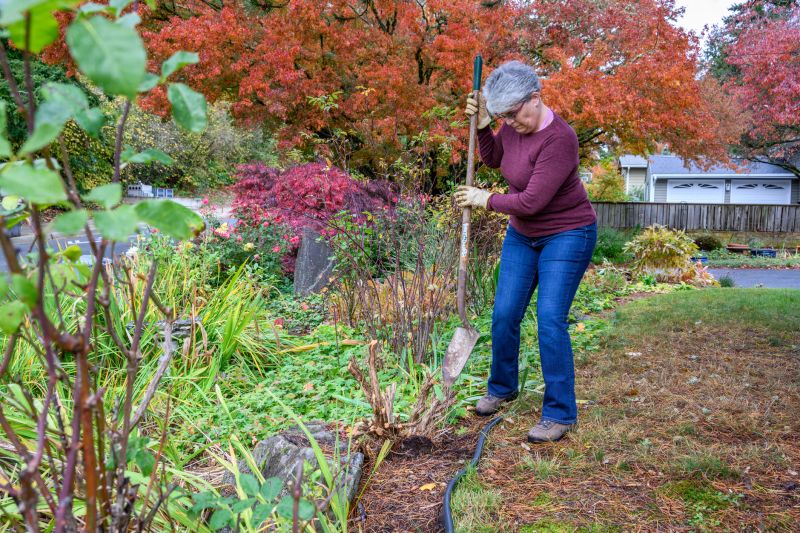
Autumn is suitable for shrub removal in many regions, especially for deciduous species preparing for dormancy.
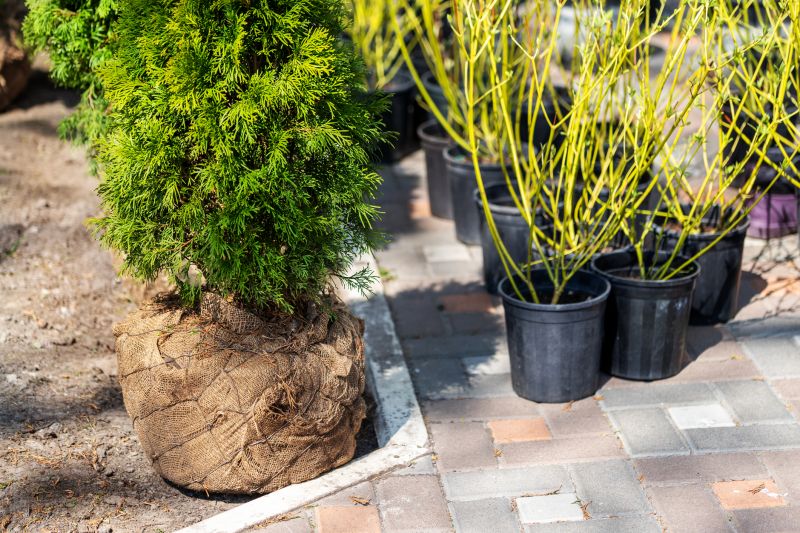
Ways to make Shrub Removals work in tight or awkward layouts.
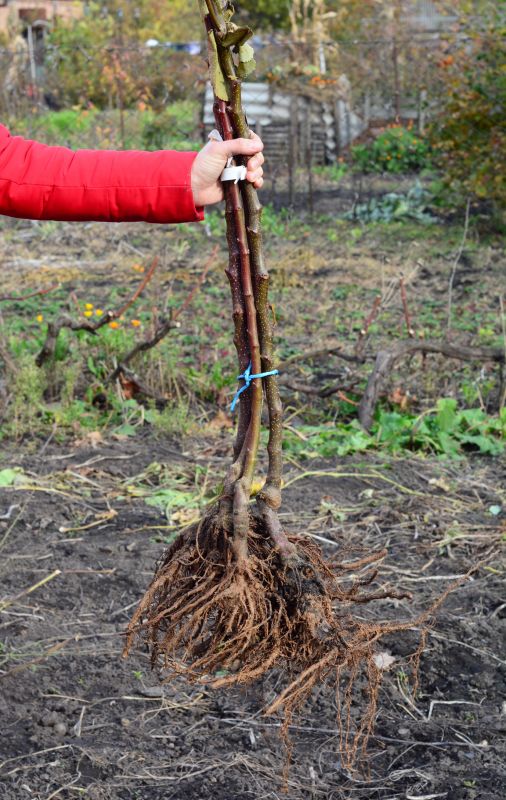
Popular materials for Shrub Removals and why they hold up over time.
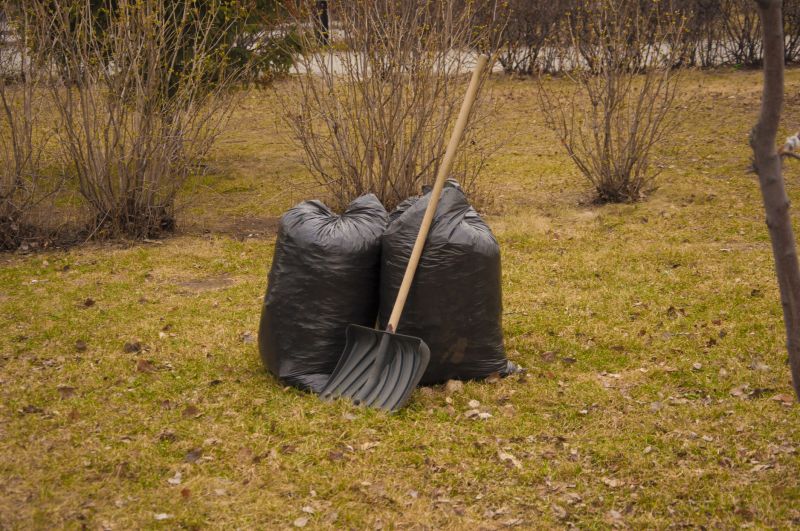
Simple add-ons that improve Shrub Removals without blowing the budget.
Shrub removals play a significant role in landscape maintenance, allowing for better space management, disease control, and aesthetic enhancement. Proper timing ensures minimal impact on surrounding plants and promotes a healthy environment for future growth. Statistics indicate that performing removals during dormancy can reduce plant stress by up to 50%, leading to more vigorous regrowth or successful replanting.

A professional removing large, overgrown shrubs to improve landscape layout.
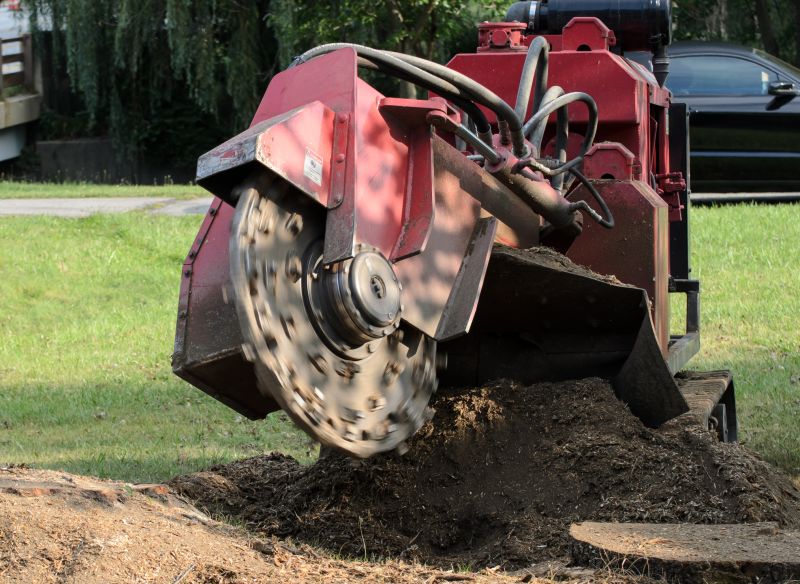
Complete shrub removal including stump grinding for a clean landscape.
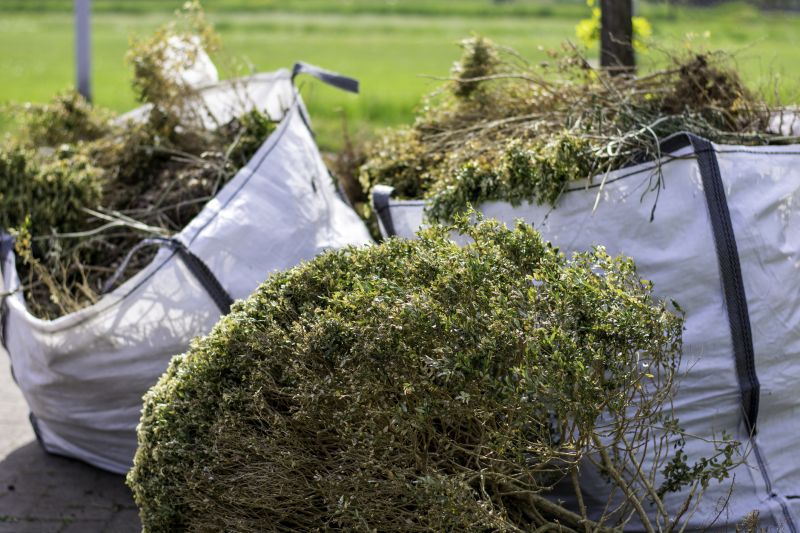
Clearing space for new planting after shrub removal.

Maintaining a balanced landscape through strategic shrub removal.
| Season | Best Practices |
|---|---|
| Winter | Ideal for dormant shrub removal, minimizes stress. |
| Spring | Suitable for early removal before new growth, avoid flowering periods. |
| Fall | Good for deciduous shrubs, prepares plants for dormancy. |
| Summer | Less recommended due to active growth, can cause stress. |
| Climate Consideration | Colder regions should schedule removals during milder months. |
Understanding the optimal timing for shrub removal can lead to healthier landscapes and more successful plant management. Proper planning based on seasonal and environmental factors ensures that shrub removal activities are effective and minimally disruptive. For those considering shrub removal, consulting with landscape professionals can help determine the best timing specific to local conditions and shrub species.
Interested in shrub removals? Filling out the contact form can provide more information and assistance tailored to specific landscape needs.